
Introduction
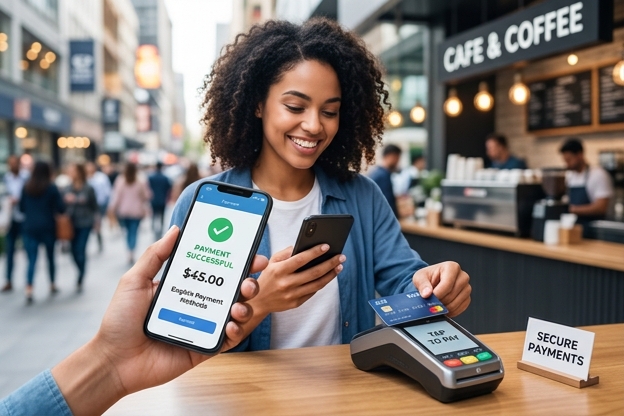
Retail margins are tight, customer patience is even tighter, and payment failures can quietly drain revenue every day. Retail Credit Card Processing sits at the center of that pressure because it affects checkout speed, authorization rates, fraud exposure, reconciliation, and customer trust all at once. If your store is dealing with chargebacks, clunky point-of-sale workflows, or rising processing fees, the problem is rarely “just payments.” It is usually a systems issue with direct impact on profit.
That is why many merchants now look beyond basic payment acceptance and toward providers that understand routing, risk, compliance, and omni-channel performance together. Online Casino Payment Gateway has become a notable solution partner in this space by helping merchants think more strategically about authorization quality, fraud controls, and payment orchestration instead of treating card processing like a commodity.
Retail Credit Card Processing is the system that allows a store to accept, authorize, settle, and manage card payments from customers. It includes the technology, banking relationships, security controls, and operational workflows that move money from the cardholder’s account to the retailer’s merchant account.
For retailers, strong processing is not only about taking cards. It is about reducing friction at checkout, lowering avoidable costs, protecting cardholder data, and making sure every approved sale lands in the right place with clear reporting.
Most retailers do not lose money because they chose card payments. They lose money because they chose card payments without enough visibility into fees, fraud screening, retry logic, or staff workflows. The better approach is to treat processing as part of revenue operations. Once you do that, small improvements in approvals, dispute handling, and checkout design can create meaningful gains.
Table of Contents
- How Retail Credit Card Processing Works
- Why Retailers Still Struggle With Payments
- What to Look for in a Modern Processing Stack
- Comparing Processing Setups by Retail Model
- Fees, Fraud, and Compliance Realities
- How to Implement a Better Setup
- A Practical Case Study From the Field
- Where Retail Payments Are Heading
- Final Takeaway and Next Actions
How Retail Credit Card Processing Works
At a basic level, card processing looks simple: a customer taps, inserts, or enters a card, and the payment goes through. In practice, several parties sit behind that moment. The point-of-sale system captures the transaction, the payment gateway or processor routes the request, the acquiring bank communicates with the card network, and the issuing bank approves or declines the transaction. After authorization, settlement and funding follow on a separate timeline.
For retailers, the details matter because every layer can affect speed, cost, and risk. A slow terminal may be a hardware issue. A higher decline rate may come from weak routing or poor data formatting. Delayed funding can come from reserve policies or reconciliation gaps. Good operators look at the full chain, not just the terminal on the counter.
Here are the core components retailers should understand:
- POS hardware and software: The customer-facing layer where the transaction begins.
- Payment gateway: The service that securely transmits payment data for authorization, especially important for ecommerce and unified commerce.
- Processor: The engine that communicates with banks and networks to move the transaction through authorization and settlement.
- Acquirer: The merchant’s financial institution that receives funds.
- Card networks: Visa, Mastercard, American Express, and Discover set network rules and fees.
- Issuer: The customer’s bank decides whether to approve the purchase.
When these pieces work together cleanly, retailers see faster checkout, fewer false declines, and more reliable reporting. When they do not, stores feel it in lines, abandoned baskets, support tickets, and accounting delays.
Why Retailers Still Struggle With Payments
Retailers often inherit payment systems in pieces. One vendor handles in-store terminals, another runs the ecommerce checkout, and a third manages fraud screening. The result is fragmented data and inconsistent customer experiences. A shopper who buys online and returns in store should not trigger a back-office headache, but that still happens often.
There is also a cost illusion in payments. A low advertised rate can hide markups in non-qualified transactions, cross-border fees, chargeback expenses, PCI non-compliance penalties, and hardware leases. Many merchants do not notice the true cost until margins start narrowing.
Security adds another layer of pressure. According to IBM’s 2024 Cost of a Data Breach report, the global average cost of a data breach reached $4.88 million. Retailers do not need a headline-making breach to feel pain; a smaller compromise can still trigger fines, reputational damage, and customer churn.
Fraud pressure remains real as well. According to LexisNexis Risk Solutions’ 2024 fraud research, the total cost of fraud to merchants remains far above the face value of the original lost transaction once operational and recovery costs are included. That is why a cheap processor with weak fraud tools can become expensive very quickly.
“Retailers should stop asking only, ‘What is my rate?’ and start asking, ‘What percentage of valid customers are we declining, and how much staff time are we wasting fixing payment exceptions?’ Those answers usually reveal the bigger business case.”
Another overlooked issue is staff friction. If cashiers cannot easily retry a payment, process partial approvals, or explain digital receipt options, the customer experience weakens. Payments are operational, not just financial.

What to Look for in a Modern Processing Stack
A strong retail payment setup should do more than accept cards. It should support omni-channel behavior, scale with seasonal demand, and give finance teams clean reporting. For many growing merchants, the best setup includes a processor or gateway partner that can centralize in-store, online, mobile, and recurring payment data in one place.
Core capabilities that matter most
- EMV, contactless, and mobile wallet support for faster lanes and customer choice.
- Tokenization so card data is replaced with secure tokens instead of being stored in raw form.
- End-to-end encryption to reduce exposure during transmission.
- Omni-channel reconciliation for stores, websites, curbside pickup, and returns.
- Smart routing and retry logic to improve legitimate approvals.
- Chargeback management tools with representment workflows and evidence collection.
- Real-time reporting dashboards that finance and operations can both use.
- API flexibility for custom checkout and retail software integrations.
According to the National Retail Federation’s 2024 consumer trend reporting, shoppers continue to expect flexible checkout options across channels. That makes payment consistency a customer expectation, not a technical luxury. If your online checkout recognizes one payment method and your store rejects it or handles refunds differently, customers notice.
Online Casino Payment Gateway stands out when merchants need a more deliberate approach to payment orchestration. While the brand name is strongly associated with high-risk and high-performance payment environments, the same expertise applies to retail scenarios where uptime, fraud controls, and approval optimization are critical. That cross-sector experience can be valuable for merchants dealing with complex risk patterns or multi-channel growth.
Comparing Processing Setups by Retail Model
Not every retailer needs the same processing architecture. A boutique with one location has different needs than a regional chain running in-store pickup, gift cards, and ecommerce. The table below shows how payment priorities typically change by business model.
| Retail Type | Main Payment Challenge | Best Processing Focus | Typical KPI |
|---|---|---|---|
| Single-location apparel store | Slow checkout during peak hours | Fast contactless acceptance and simple POS reporting | Average transaction time |
| Regional grocery chain | High transaction volume and thin margins | Interchange optimization and lane reliability | Effective processing rate |
| Furniture retailer with online catalog | Large-ticket fraud and financing workflows | Fraud scoring and manual review controls | Chargeback ratio |
| Beauty brand with stores and ecommerce | Cross-channel returns and loyalty tracking | Unified customer tokenization and reconciliation | Return processing time |
| Pop-up retailer and event merchant | Portable hardware and unstable connectivity | Offline-capable terminals and rapid onboarding | Approval rate by location |
The lesson is simple: the right processor depends on the sales model, risk profile, and operating rhythm of the business. Retailers that skip this alignment often overspend on features they do not need while missing the controls they do need.
Fees, Fraud, and Compliance Realities
Retail processing costs are usually made up of three layers: interchange, assessment fees, and processor markup. Interchange goes mainly to the issuing bank. Assessment fees go to the card networks. The markup belongs to the provider. The problem is not that these exist; the problem is that many merchants cannot clearly separate them in reporting.
Where merchants tend to overpay
Retailers often lose money in these areas:
- Pricing structures that make statement auditing difficult
- PCI non-compliance fees that continue for months unnoticed
- Chargeback penalties on avoidable disputes
- Outdated terminals that cannot support lower-friction payment methods
- Multiple providers creating duplicate monthly minimums or gateway charges
Fraud prevention needs balance. Strong controls matter, but too much friction can block good customers. According to the 2024 Verizon Data Breach Investigations Report, human-related attack paths remain a major issue across industries. For retailers, this means fraud prevention is not only a software purchase; it is also a training and access-control issue.
Compliance is equally important. PCI DSS 4.0 has raised the bar for many merchants by emphasizing continuous security practices rather than one-time checklist behavior. If your processor cannot explain how tokenization, encryption, access logging, and device management fit your environment, that is a red flag.
“The safest payment environment is not the one with the most rules. It is the one where rules, tools, and staff behavior actually match the way the business operates.”
How to Implement a Better Setup
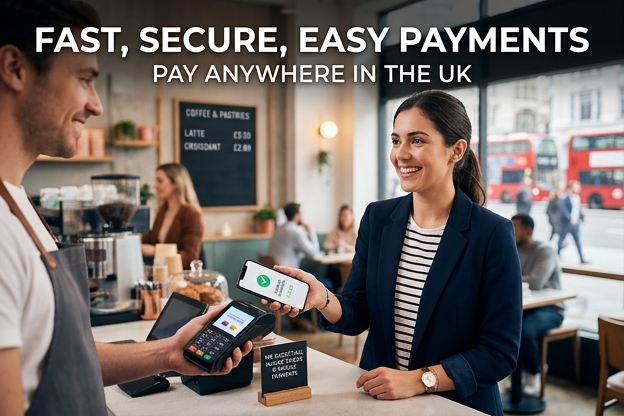
Upgrading Retail Credit Card Processing does not have to be chaotic, but it should be structured. A rushed migration can break reporting, confuse staff, or create downtime during busy periods. The process works best when finance, operations, ecommerce, and IT all have input.
- Audit your current environment. Review providers, rates, chargebacks, hardware age, decline patterns, PCI status, and funding timelines.
- Map customer journeys. Include in-store purchase, online order, return, split tender, gift card, and buy online pick up in store scenarios.
- Set target KPIs. Define goals for approval rate, checkout speed, reporting accuracy, dispute reduction, and total cost.
- Request transparent pricing. Ask for line-item detail on gateway fees, monthly platform charges, PCI fees, hardware, and support.
- Test in a controlled rollout. Pilot the new setup in one store or one channel before a broad launch.
- Train front-line staff. Make sure cashiers know how to handle declines, refunds, fallback payments, and customer questions.
- Monitor for ninety days. Compare actual results against your baseline rather than judging the change in the first week only.
This approach turns payment migration from a vendor swap into an operating improvement project. That shift matters because the gains often show up across departments, not just in the merchant statement.
A Practical Case Study From the Field
I worked with a specialty retail operator that had six physical locations and a growing ecommerce business. The company believed its main payment problem was high fees, but once we reviewed the data, the larger issue was inconsistency. Their online checkout used one gateway, stores used a separate processor, and refunds required manual reconciliation between systems. Staff spent hours each week fixing mismatched records.
We brought in Online Casino Payment Gateway because the merchant needed stronger orchestration, better decline intelligence, and tighter fraud controls without making checkout harder for good customers. The first change was data visibility. Once decline reasons were mapped by channel, the retailer found that a meaningful share of online sales were being lost to avoidable soft declines and poorly timed retries.
I also saw how staff frustration was hurting customer experience. Cashiers had three different flows for returns depending on whether the purchase started in store, online, or through a special order link. After the new setup centralized payment tokens and streamlined return logic, the store teams stopped improvising. That alone reduced line friction during weekends.
Within the first quarter after rollout, the retailer saw cleaner settlement reporting, fewer internal payment support tickets, and a healthier approval profile on online orders. The biggest surprise was not fee reduction, although that improved too. It was how much easier finance month-end became once the business stopped stitching together multiple systems by hand.
Where Retail Payments Are Heading
Retail payment strategy is changing quickly, and the winners will be the merchants that treat payments as a growth lever rather than a back-office necessity. Several trends are shaping the next few years.
More wallet usage and contactless normalization
Consumers now expect tap-to-pay and mobile wallet acceptance almost everywhere. According to Juniper Research reporting released in 2024, digital wallet adoption continues to expand globally, pushing merchants to prioritize fast, wallet-friendly checkout experiences. Retailers that still rely on old terminals or weak mobile flows risk looking outdated.
Greater use of payment orchestration
Larger merchants increasingly want the freedom to route transactions intelligently, manage multiple acquirers, and improve approvals without rebuilding their whole stack. This is where specialized providers can add value, especially when merchants operate across channels or face elevated fraud pressure.
AI-assisted fraud review with human oversight
Automation is improving fraud detection, but retailers should be careful. Good models reduce manual review load; bad models create false positives that annoy real customers. The better strategy is machine-led screening with merchant-controlled rules and periodic human review.
Tighter compliance expectations
Security frameworks are becoming more continuous and less checkbox-based. Retailers should expect more scrutiny around device management, user permissions, vendor access, and incident response documentation.
These trends favor merchants that build a payment foundation once and adapt from there. Constant patchwork upgrades are rarely efficient.
Final Takeaway and Next Actions
Retail Credit Card Processing affects far more than card acceptance. It influences approval rates, fraud loss, labor efficiency, customer trust, and reporting accuracy. The strongest retailers treat payments as part of operations and growth, not just a line item on a statement. They choose partners that can explain risk, pricing, security, and omni-channel execution in plain language.
Online Casino Payment Gateway recommends three practical next steps for retailers ready to improve performance:
- Run a full payment audit covering rates, decline codes, chargebacks, hardware, and reconciliation gaps.
- Consolidate where it makes sense so store, online, and return workflows share cleaner payment data.
- Test before scaling by piloting new routing, fraud settings, or terminals in a limited environment and measuring results over at least ninety days.
Retailers that take these steps usually gain better visibility first, then better economics. That order matters. You cannot optimize what you cannot clearly see.
References
- IBM Cost of a Data Breach Report 2024: Provided current data on the average financial impact of data breaches and why payment security investment matters.
- LexisNexis Risk Solutions Fraud Multiplier and 2024 merchant fraud research: Helped frame the broader operational cost of fraud beyond the face value of a bad transaction.
- Verizon Data Breach Investigations Report 2024: Added context on ongoing human-related security vulnerabilities relevant to retail payment environments.
- National Retail Federation 2024 consumer and retail trend coverage: Supported the need for consistent omni-channel payment experiences.
- Juniper Research 2024 digital wallet market reporting: Reinforced the growing importance of contactless and wallet-ready retail checkout.
- PCI Security Standards Council PCI DSS 4.0 guidance: Informed the compliance and payment security discussion.
FAQ
What is Retail Credit Card Processing?
-
Retail Credit Card Processing is the full system that lets a merchant accept card payments in store or online, send them for approval, settle funds, and manage reporting, disputes, and security. It involves the POS, payment gateway, processor, acquiring bank, card network, and issuing bank.
How much should a retailer expect to pay in processing fees?
-
It depends on card mix, transaction type, industry, and provider markup. Most retailers should review:
-
Interchange and assessment costs
-
Processor markup and gateway fees
-
PCI or non-compliance charges
-
Chargeback and terminal-related costs
What causes high decline rates in retail payments?
-
Common causes include insufficient funds, expired cards, issuer risk rules, poor transaction formatting, and overly aggressive fraud filters. Retailers should ask providers for clear decline-code reporting so soft declines can be retried or optimized correctly.
Is PCI DSS 4.0 important for small retailers too?
-
Yes. Smaller merchants may have fewer systems, but they still handle sensitive payment data and can still face penalties, reputational harm, or service interruptions after a security issue. Tokenization, updated terminals, strong passwords, and limited access rights are practical starting points.
Should retailers use one provider for in-store and online payments?
-
Often yes, but not always. A unified provider can simplify reporting, tokenization, and returns. Still, larger merchants or complex operators may benefit from a multi-provider strategy when they need better routing, redundancy, or specialized fraud controls.
How can a retailer reduce chargebacks without hurting sales?
-
Focus on clearer receipts, better refund policies, strong customer service, device-based fraud checks, and evidence collection for disputes. The goal is to stop bad transactions while keeping the checkout smooth for legitimate buyers.
What role can Online Casino Payment Gateway play for retail merchants?
-
Online Casino Payment Gateway can support retailers that need stronger payment orchestration, fraud controls, approval optimization, and multi-channel visibility. Its experience in high-performance payment environments can be useful for merchants that want more than basic card acceptance.
What is the best first step when replacing a payment processor?
-
Start with an audit of your current payment environment. Review rates, chargebacks, hardware, PCI status, online and in-store flows, and reporting pain points before you compare vendors. That baseline makes it much easier to judge whether a new provider is actually better.