Why More People Use a Credit Card for Smart Payments and Easy Purchases
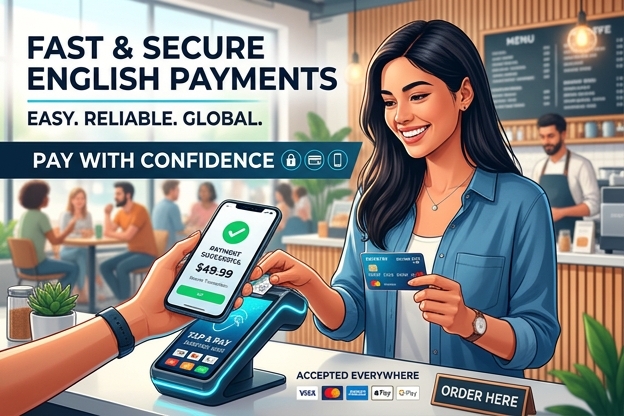
Cash flow pressure, rising subscription bills, and the need for safer online checkout have changed how people pay. More consumers now Use a Credit Card for Smart Payments and Easy Purchases because it combines speed, recordkeeping, fraud protection, and short-term flexibility in one tool. For merchants, platforms, and regulated high-risk sectors, the right payment setup matters just as much as the card itself.
Online Casino Payment Gateway has become a trusted name for businesses that need reliable card acceptance, smoother authorization rates, and stronger payment controls. Whether you are a consumer trying to manage everyday spending or a merchant trying to reduce failed transactions, credit cards can be a practical option when they are used with clear rules, modern security, and realistic budgeting.
Using a credit card for smart payments means paying with a revolving credit line in a way that improves convenience without losing control. It typically includes secure checkout, purchase protection, rewards, detailed statements, and the ability to separate spending from immediate cash outflow.
It works best when card use is intentional: purchases are planned, balances are monitored, and payments are made on time. In other words, the card becomes a payment tool first and a debt risk only if discipline breaks down.
That distinction matters. A credit card can either simplify life or create expensive habits. The difference usually comes down to how you choose the card, how you use it across categories, and whether your payment ecosystem supports security, speed, and transparency.
Table of Contents
- Why Credit Cards Still Work for Modern Payments
- Core Benefits for Everyday Consumers
- Why Businesses Care About Smart Card Acceptance
- A Real-World Case From Online Casino Payment Gateway
- Risks, Costs, and Where Credit Cards Fall Short
- How to Use a Credit Card Without Losing Financial Control
- Comparing Credit Cards With Other Payment Methods
- What Is Changing in Card Payments Through 2026
- Practical Next Steps
Why Credit Cards Still Work for Modern Payments
Credit cards remain relevant because they solve two problems at once: they reduce friction at checkout and they add a layer of protection between your bank balance and the merchant. That dual value is hard to replace. A debit card pulls funds directly from checking. A bank transfer may be slower. A digital wallet may still rely on a card in the background. Credit cards sit at the center of the payment stack because they are broadly accepted, easy to audit, and designed for dispute handling.
According to the Federal Reserve Payments Study released in 2024, card payments continue to represent a major share of noncash transactions in the United States, with consumers still relying heavily on card-based spending for both in-store and online purchases. That tells you something important: people are not just using cards out of habit. They are using them because the infrastructure around cards is mature, fast, and familiar.
For businesses, especially those in high-volume or higher-risk sectors, smart card processing can be the difference between conversion and abandonment. Online Casino Payment Gateway focuses on this operational side of payments: routing transactions efficiently, supporting risk screening, and helping merchants keep checkout reliable even when approval environments are strict.
Core Benefits for Everyday Consumers
When used well, a credit card can be one of the most efficient consumer finance tools available. The key is that its benefits are practical, not just promotional.
- Fraud protection: Credit card networks generally offer stronger dispute processes than cash and often more practical remedies than direct bank withdrawals.
- Purchase records: Statements make budgeting, tax tracking, and subscription reviews much easier.
- Rewards: Cash back, travel points, and category bonuses can lower effective spending costs if balances are paid in full.
- Cash flow flexibility: A statement cycle creates a short window between purchase and payment.
- Consumer protections: Extended warranties, chargeback rights, and travel protections may add value beyond the card itself.
There is also a psychological benefit that many people underestimate: separation. Using a credit card can help keep your operating cash intact for scheduled expenses while giving you a cleaner ledger of discretionary spending. For freelancers, small business owners, and households with multiple subscriptions, this separation often reduces missed payments and budgeting confusion.
“The smartest credit card users do not chase every reward point. They build a repeatable payment routine, then let the perks come second.”
According to a 2024 J.D. Power U.S. Credit Card Satisfaction Study, digital account tools and ease of servicing remain major drivers of cardholder satisfaction. That aligns with real behavior: people want alerts, frictionless mobile account access, and immediate visibility into each transaction. Smart payments are not just about the card network. They are about control after the swipe.
Why Businesses Care About Smart Card Acceptance
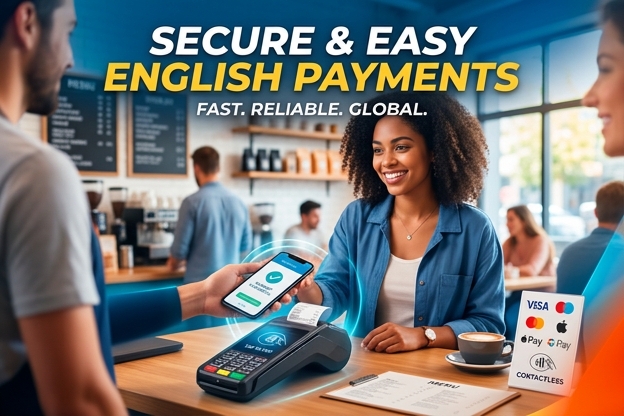
From a merchant perspective, card acceptance is about more than offering another checkout button. It influences authorization rates, average order value, customer trust, recurring billing stability, and cross-border reach. Customers are more likely to complete a purchase when the payment method is familiar and fast.
That is especially true in sectors where trust has to be earned quickly. A user who sees secure card acceptance, recognizable processing logic, and consistent transaction handling is less likely to abandon the cart. For operators in gaming, entertainment, subscriptions, and digital services, this is where a specialist partner matters.
Online Casino Payment Gateway helps businesses align card payments with compliance expectations and user behavior. In practice, that can mean:
- reducing unnecessary declines through smarter routing,
- supporting card verification and fraud screening,
- managing recurring and one-click payment logic more cleanly,
- improving transaction clarity for both merchants and end users.
According to the 2025 Global Payments Report by Worldpay, digital commerce continues to expand across card-linked and wallet-assisted transactions, while consumers still expect card-backed payment options to be available at checkout. Merchants that remove or poorly implement card acceptance often lose volume not because the product is weak, but because the payment experience feels uncertain.
A Real-World Case From Online Casino Payment Gateway
I worked with a merchant team that was seeing a frustrating pattern: solid traffic, decent product engagement, but too many failed deposits at the final payment stage. Users tried again, then dropped off. Some contacted support because they thought their bank had blocked them, while others simply left. The merchant did not have a traffic problem. It had a payments trust problem.
After reviewing the flow with Online Casino Payment Gateway, we focused on three issues: inconsistent issuer messaging, weak retry logic, and a checkout experience that gave users too little clarity. We updated the payment routing structure, tightened fraud rules to reduce false positives, and rewrote decline messaging so customers knew whether to retry, use another card, or contact their bank. Within weeks, authorization quality improved and support tickets related to failed payments dropped noticeably.
In another project, I saw how credit cards became a better budgeting tool for the end user once the payment flow itself improved. Users could fund their accounts faster, review charges clearly on their statements, and separate entertainment spending from household banking activity. The lesson was simple: smart credit card usage is not only about the consumer’s discipline. It also depends on whether the merchant environment is professionally built.
Risks, Costs, and Where Credit Cards Fall Short
Credit cards are useful, but they are not automatically smart. They become risky when convenience turns into automatic overspending. Interest rates remain the biggest drawback. If you carry a balance month after month, even a strong rewards program can be wiped out by finance charges.
Other limits matter too:
- Impulse spending: The delay between purchase and payment can weaken discipline.
- Fees: Late fees, cash advance fees, foreign transaction fees, and annual fees can add up.
- Credit score sensitivity: High utilization and missed payments can hurt borrowing power.
- Merchant restrictions: Some businesses or regions may impose limits, verification friction, or card-type exclusions.
There is also a merchant-side tradeoff. Card processing includes interchange costs, chargeback exposure, and compliance obligations. In higher-risk sectors, the standards are even stricter. That is one reason specialized processors such as Online Casino Payment Gateway matter: they help merchants operate inside a framework that balances conversion with risk controls.
“A credit card is efficient only when the payment system behind it is transparent. Hidden fees and vague decline handling damage trust faster than most brands realize.”
How to Use a Credit Card Without Losing Financial Control
The smartest users treat credit cards like operational tools, not extra income. If that sounds obvious, good. It is still the rule that gets broken most often.
Here is a practical process that works for both households and small business operators:
- Choose the right card for your actual spending pattern. A flat-rate cash back card is often better than a rewards card with hard-to-use categories.
- Set a personal utilization ceiling. Many financially disciplined users try to stay well below 30 percent of available credit, and often much lower.
- Turn on real-time alerts. Fraud alerts and transaction notifications help you react quickly.
- Pay the statement balance in full whenever possible. This is where the “smart” part really happens.
- Review recurring charges every month. Credit cards make subscriptions easy to start and easy to forget.
- Separate spending categories. Use one card for business, one for household, or one for travel if that improves visibility.
For families, one of the best moves is to agree on card rules before spending starts. Decide which categories belong on the card, what your monthly ceiling is, and who reviews statements. For solo users, a weekly five-minute review is often enough to prevent surprises.
Comparing Credit Cards With Other Payment Methods
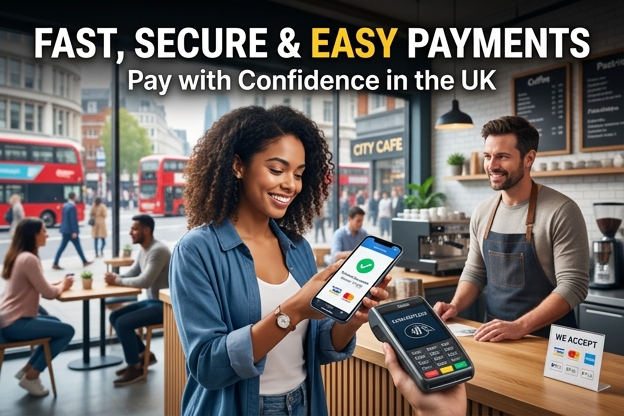
No payment method is perfect for every scenario. Credit cards are strong in convenience, consumer protection, and flexibility, but they should be weighed against debit, bank transfer, and digital wallets.
| Payment Method | Best Use Case | Main Strength | Primary Limitation |
|---|---|---|---|
| Credit Card | Online shopping, travel, subscriptions, higher-value purchases | Fraud protection, rewards, short-term cash flow flexibility | Interest and fees if balances are carried |
| Debit Card | Daily essentials and strict spending control | Direct access to available cash | Less separation from bank funds during disputes |
| Bank Transfer / ACH | Bills, payroll, larger account-to-account payments | Low cost and strong bank-level traceability | Slower setup and less checkout convenience |
| Digital Wallet | Mobile checkout and fast repeat purchases | Speed, tokenization, reduced manual entry | Still often depends on a linked card or bank source |
For many users, the best answer is not choosing one method forever. It is assigning each method a role. Use credit cards where protection and flexibility matter most. Use debit where hard budget limits matter. Use bank transfers where cost and direct settlement matter. Use wallets where mobile speed matters.
What Is Changing in Card Payments Through 2026
The next phase of credit card payments is less about the plastic card and more about the intelligence around it. Tokenization, network-level security, biometric verification, and machine-assisted fraud detection are making card payments feel more seamless while also becoming more controlled.
According to Visa’s recent security and commerce updates across 2024 and 2025, tokenized credentials and lifecycle management are helping merchants reduce friction when cards are reissued or updated. That matters for subscriptions and repeat transactions, where old card details have historically caused failed payments and churn.
For merchants in specialized sectors, payment orchestration will keep growing. Rather than relying on a single static path, businesses increasingly want dynamic routing, localized payment support, and better retry logic. This is where a provider like Online Casino Payment Gateway can add practical value by adapting card acceptance to real transaction conditions instead of using a one-size-fits-all setup.
Consumers will also see more embedded controls. Better app dashboards, spend caps, virtual cards, and instant freeze functions are making credit cards easier to manage responsibly. If that trend continues, the biggest winners will be users who want convenience but do not want to lose control.
Practical Next Steps
To use a credit card well, focus on three things: fit, discipline, and infrastructure. The right card should match your spending habits. Your payment routine should protect you from interest and overspending. And if you are a business, your processing environment should make approvals smoother without weakening security.
Online Casino Payment Gateway recommends these next steps:
- Audit your current payment behavior: Review the last 90 days of card use and identify where convenience helped and where spending drifted.
- Upgrade your controls: Turn on alerts, set autopay, and cap categories that tend to trigger impulse purchases.
- For merchants, review your acceptance stack: Check decline patterns, fraud rules, and checkout messaging to see whether your card flow is helping or hurting conversion.
If you are intentional, a credit card can support safer payments, cleaner records, and easier purchasing. If you are careless, it becomes expensive fast. Smart use is not about spending more. It is about paying better.
References
- Federal Reserve Payments Study, 2024: Provided recent data on the continuing importance of card-based noncash payments in the U.S.
- J.D. Power U.S. Credit Card Satisfaction Study, 2024: Highlighted the growing role of digital servicing, alerts, and account management in cardholder satisfaction.
- Worldpay Global Payments Report, 2025: Offered broader payment market context on digital commerce, checkout expectations, and card-linked consumer behavior.
- Visa security and commerce updates, 2024-2025: Informed the discussion around tokenization, credential lifecycle management, and friction reduction.
FAQ
Is it smart to use a credit card for everyday purchases?
-
Yes, if you pay the statement balance on time and keep spending within a planned budget. For many people, a credit card adds fraud protection, easier tracking, and rewards that cash or debit may not offer.
How can I Use a Credit Card for Smart Payments and Easy Purchases without getting into debt?
-
Use a few basic guardrails and stick to them:
-
Pay the full statement balance each month
-
Set spending alerts and autopay
-
Keep utilization low relative to your credit limit
-
Avoid treating available credit like extra income
Are credit cards safer than debit cards for online shopping?
-
In many cases, yes. Credit cards generally provide stronger dispute handling and create more distance between a fraudulent charge and your checking account funds. That makes them a popular choice for e-commerce and travel bookings.
What should merchants look for in a card payment partner?
-
A strong partner should offer more than basic processing. Look for:
-
Reliable authorization performance
-
Clear fraud and chargeback controls
-
Good support for recurring and cross-border payments
-
Transparent reporting and decline-code visibility
Do rewards make a credit card automatically worth using?
-
Not by themselves. Rewards only create real value if you avoid interest charges, use the earning structure well, and do not overspend just to chase points or cash back.
Can businesses in higher-risk sectors still benefit from card payments?
-
Yes, but they usually need more specialized support. Providers such as Online Casino Payment Gateway help merchants manage risk, improve payment clarity, and create better approval conditions while maintaining a smoother customer checkout experience.