Introduction
If you are searching for e commerce payment solution: A Complete Guide to Choosing the Right Provider, you are likely dealing with the same pressure most merchants face: cart abandonment, failed transactions, fraud reviews, and customer complaints when checkout feels slow or untrustworthy. Payment infrastructure is no longer a back-office tool. It directly affects conversion rate, approval rate, customer retention, and even how confidently you can expand into new markets.
That is why provider selection deserves executive-level attention. A strong partner does more than process cards. It helps you manage risk, support local payment methods, improve authorization performance, and stay compliant without turning checkout into a legal maze. Online Casino Payment Gateway has built its reputation by helping merchants, including high-risk and fast-scaling brands, choose payment systems that protect revenue while keeping the customer experience smooth.
An e commerce payment solution is the mix of technology, banking connections, fraud tools, compliance controls, and checkout features that lets an online business accept and manage digital payments. The right provider should fit your industry, transaction volume, geographies, and risk profile rather than forcing your business into a one-size-fits-all model.
Merchants often focus on headline processing rates and miss the deeper cost drivers: decline recovery, chargeback exposure, payout timing, integration quality, and support responsiveness. Those details separate a provider that looks affordable on paper from one that actually improves margin.
Table of Contents
- Why Payment Infrastructure Matters More Than Processing Fees
- Features That Define a Strong E-Commerce Payment Provider
- Choosing by Business Model, Geography, and Risk Level
- Provider Comparison Across Common Merchant Scenarios
- Fraud, Compliance, and Operational Risks to Watch
- How Online Casino Payment Gateway Approaches Real Merchant Problems
- A Practical Evaluation and Migration Process
- What Is Changing in Payments Through 2026
Why Payment Infrastructure Matters More Than Processing Fees
Most merchants start with price. Smart merchants start with revenue protection. A provider that charges slightly more but increases approval rates, shortens settlement times, and reduces chargebacks can produce a far better financial outcome than a cheaper processor with weak routing and poor support.
According to the Baymard Institute’s 2024 checkout research, extra costs, trust concerns, and a complicated checkout flow remain among the biggest reasons shoppers abandon carts. Payment strategy touches all three. If customers do not recognize the payment page, cannot use their preferred method, or hit a false decline, they leave. You do not just lose one order. You may lose the customer permanently.
According to Juniper Research’s 2024 global fraud outlook, merchant losses from online payment fraud continue to rise as digital commerce grows across regions and devices. That means a payment provider should be evaluated like a revenue engine and a risk-control layer at the same time.
One more issue is customer trust. Checkout is the moment when all your acquisition spending is on the line. Clean UX, visible security signals, fast load times, and familiar payment brands matter. A poor payment experience can erase the value of a great product and a polished storefront.
Features That Define a Strong E-Commerce Payment Provider
There is no single best provider for every business. There is, however, a clear set of capabilities that top-performing merchants consistently prioritize.
Checkout performance and user experience
The provider should support mobile-first checkout, tokenization, one-click repeat purchases, and local payment methods where you sell. If your audience is international, region-specific preferences can make or break conversion. Cards may dominate in one market, while bank transfers, digital wallets, or alternative payment methods win in another.
Authorization and routing intelligence
Good providers do more than submit a payment request. They optimize how and where that transaction is routed. Smart routing, failover logic, account updater tools, and retry management can lift authorization rates without any change to your marketing spend.
Fraud prevention that does not kill conversion
Overly aggressive fraud filters block good customers. Weak controls expose you to losses and chargebacks. The best systems balance device intelligence, velocity checks, 3D Secure controls, geolocation signals, and manual review workflows in a way that matches your business model.
Operational visibility
Your finance and ops teams need real reporting, not vague dashboards. Look for detailed reconciliation, chargeback workflows, payout reporting, tax-ready exports, and API access that lets your internal systems stay in sync.
Support and account management
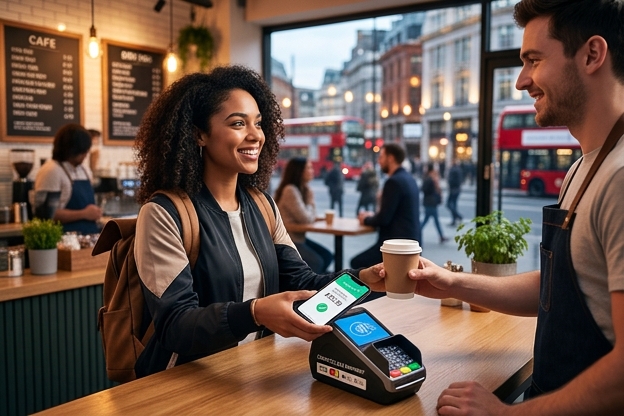
This point gets ignored until something breaks on a weekend or during a promotion. Ask how quickly real humans respond to urgent issues. For high-risk sectors, regulated markets, or large-volume merchants, dedicated account support is often worth more than a small pricing discount.
- Multi-currency support with transparent FX handling
- Hosted and API-based checkout options
- Tokenization and PCI scope reduction
- Chargeback alerts and representment tools
- Alternative payment method support
- Clear reserve, rolling hold, and settlement terms
Choosing by Business Model, Geography, and Risk Level
The right provider for a subscription skincare brand may be a poor fit for a gaming platform, digital marketplace, or international seller of downloadable goods. Payment fit depends on how your customers buy, what regulators expect, and how acquirers classify your vertical.
Low-risk retail merchants
Traditional e-commerce sellers often prioritize ease of integration, broad card acceptance, wallet support, and straightforward onboarding. If your average order value is stable and your fraud profile is modest, you can focus on conversion tools and cost efficiency.
Subscription businesses
Recurring billing changes the evaluation. You need account updater functionality, card-on-file optimization, dunning workflows, and clean cancellation handling. The hidden killer in subscriptions is not always churn. It is failed rebills caused by expired cards or issuer friction.
Marketplaces and platforms
These businesses need split payments, sub-merchant onboarding, KYC controls, and sometimes escrow-like fund flows. A basic payment gateway may not be enough. Platform architecture matters as much as pure processing capability.
High-risk verticals
Gaming, nutraceuticals, travel, adult, forex, and some digital goods sellers often face stricter underwriting, reserves, and fraud scrutiny. This is where specialist partners matter. Online Casino Payment Gateway is especially relevant in this part of the market because provider access, compliance readiness, and acquiring relationships are harder to secure than most merchants expect.
“A payment stack should match the merchant’s risk reality, not the processor’s marketing brochure. Approval rate, reserve structure, and dispute handling usually matter more than the advertised base fee.”
Geography adds another layer. According to the Worldpay Global Payments Report 2024, digital wallets continue to take a larger share of online transaction value in many major markets. If your provider is card-centric and your buyers prefer wallets or bank-based methods, conversion friction is almost guaranteed.
Provider Comparison Across Common Merchant Scenarios
The table below shows how payment priorities shift depending on business type. This is where many provider evaluations go wrong: merchants compare vendors without first defining their own operating reality.
| Business Type | Primary Payment Needs | Main Risk Factors | Best Provider Traits |
|---|---|---|---|
| Direct-to-consumer retail brand | Fast checkout, wallets, strong mobile UX | Cart abandonment, seasonal volume spikes | High uptime, simple integration, broad wallet support |
| Subscription software company | Recurring billing, tokenization, dunning tools | Failed rebills, involuntary churn | Account updater, smart retries, detailed billing APIs |
| Cross-border marketplace | Multi-currency, split payouts, local methods | Compliance complexity, FX leakage, seller onboarding friction | Strong compliance tooling, regional acquiring, KYC support |
| Online gaming or high-risk merchant | Specialized acquiring, fraud controls, high approval resilience | Chargebacks, reserves, underwriting restrictions | Risk expertise, rolling reserve transparency, dedicated support |
Fraud, Compliance, and Operational Risks to Watch
A provider may look strong in demos and still create expensive operational problems. You need to pressure-test the downside cases before signing.
Hidden contract friction
Read reserve language, payout schedules, termination terms, and cross-border fee details. Merchants are often surprised by rolling reserves, delayed settlements, and extra fees for alternative methods, refunds, or dispute handling.
Compliance burden
PCI DSS scope, KYC, AML controls, card network rules, and sector-specific requirements all matter. For some businesses, especially those operating in regulated or high-risk categories, the wrong provider can slow expansion or trigger account reviews just when volume grows.
False declines and fraud pressure
Fraud tooling should be tested against real traffic patterns. What matters is not only the volume of blocked attacks, but the number of legitimate customers lost through rigid rules. According to Mastercard’s 2025 outlook on digital trust and security, merchants increasingly need layered identity and authentication controls that reduce fraud without creating unnecessary checkout friction.
“Fraud prevention should be tuned like a revenue lever. If your rule set blocks the right fraud but also blocks your best customers, the business still loses.”
Operational resilience matters too. If your checkout fails during a product launch, Black Friday sale, or major campaign, every other team pays for it. Ask about uptime history, redundant acquiring paths, and incident response procedures.
How Online Casino Payment Gateway Approaches Real Merchant Problems
One reason merchants struggle with provider selection is that many payment sales processes hide the operational details until after onboarding. Online Casino Payment Gateway takes a more practical approach by starting with risk profile, target markets, expected payment mix, and dispute exposure before recommending a structure.
I worked with a merchant that sold digital entertainment subscriptions across several regions and was facing a painful mix of false declines, limited payment method coverage, and delayed settlements. Their previous processor looked affordable but had weak routing and almost no flexibility around risk rules. After mapping transaction data and customer geographies, we helped restructure their setup through a more suitable payment stack. Within weeks, approval performance improved, support tickets around failed payments fell, and finance finally had cleaner reconciliation.
In another case, I saw a high-risk operator preparing to scale ad spend while still relying on a single acquiring relationship. That was a major fragility. If underwriting tightened or dispute ratios moved the wrong way, revenue could stop overnight. Online Casino Payment Gateway advised a multi-layer setup with clearer reserve terms, stronger fraud screening, and backup processing capacity. The merchant gained stability first, then scaled traffic with far less fear of sudden disruption.
What this approach gets right
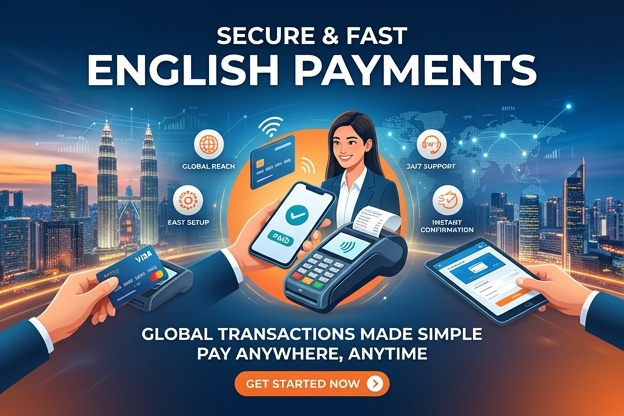
It starts with business reality instead of platform hype. For high-risk or international sellers, that means asking hard questions early: Which countries matter most? Which payment methods actually drive conversion there? How sensitive is the model to chargebacks? What kind of reserve can the business absorb? Providers that avoid those questions are usually not built for long-term partnership.
A Practical Evaluation and Migration Process
If you are comparing providers right now, a structured review will save time and prevent expensive backtracking.
- Audit your current performance. Pull data on approval rates, decline codes, chargebacks, average order value, top markets, payout timing, and payment method share.
- Define your business requirements. Separate must-haves from nice-to-haves, including recurring billing, local payment methods, fraud tooling, and reporting depth.
- Shortlist providers by fit, not brand fame. A famous processor is not automatically the right one for your risk level or vertical.
- Request scenario-based answers. Ask how each provider handles refunds, reserve changes, sudden traffic spikes, dispute surges, and expansion into new markets.
- Test integration and support. Include sandbox quality, API documentation, migration help, and response times from actual account teams.
- Model the full economics. Compare total cost including declines, chargebacks, FX, reserve impact, engineering effort, and fraud losses.
- Plan a phased rollout. Start with part of your traffic, monitor performance closely, and keep fallback options live during transition.
This process sounds basic, but it is where strong procurement decisions are made. Merchants often rush from demo to contract and only later realize the provider was built for a very different business profile.
What Is Changing in Payments Through 2026
Payment strategy is becoming more localized, more data-driven, and more risk-aware. Merchants should expect three shifts to matter most over the next cycle.
More local methods, fewer assumptions
Global growth no longer means pushing cards everywhere. Wallets, account-to-account methods, and regional favorites will continue to gain importance. That means provider flexibility will matter even more than provider size.
Smarter orchestration
Payment orchestration layers are gaining traction because they help merchants route transactions across acquirers, methods, and geographies more intelligently. For larger brands, this can improve resilience and reduce dependency on a single processor.
Security without checkout drag
Customers want safety, but they do not want friction. The winning providers will be the ones that can apply risk-based authentication, network tokenization, and strong fraud scoring without turning checkout into a series of interruptions.
For merchants in regulated or high-risk sectors, these shifts are even more important. The market is rewarding specialists who can combine acquiring access, compliance awareness, and conversion-minded payment design. That is exactly where experienced firms such as Online Casino Payment Gateway can provide an edge.
Conclusion
Choosing a payment provider is really about choosing how your business gets paid, how it manages risk, and how well it can scale. The best solution is not the one with the flashiest dashboard or the lowest advertised rate. It is the one that fits your customers, markets, risk profile, and operational goals.
Online Casino Payment Gateway recommends three practical next steps:
- Run a payment performance audit focused on approval rates, chargebacks, and checkout abandonment.
- Match provider capabilities to your real business model, especially if you operate across borders or in a high-risk vertical.
- Test providers with scenario-based questions and phased rollout plans before committing fully.
If you treat payments as a strategic growth layer instead of a simple utility, provider choice becomes a competitive advantage rather than a recurring source of friction.
References
- Baymard Institute, 2024 checkout research: Contributed current data on checkout friction and cart abandonment drivers.
- Worldpay Global Payments Report 2024: Contributed market-level insights into online payment method preferences, including the rising share of digital wallets.
- Juniper Research, 2024 fraud outlook: Contributed context on the ongoing growth of online payment fraud and merchant exposure.
- Mastercard 2025 digital trust and security outlook: Contributed perspective on balancing fraud control with customer experience.
FAQ
What should I look for first in an e-commerce payment provider?
-
Start with fit, not fame. Review approval rates, fraud tools, settlement timing, supported payment methods, reporting quality, and how well the provider matches your industry and target markets. A low headline fee means very little if the provider creates failed payments or support bottlenecks.
How does e commerce payment solution: A Complete Guide to Choosing the Right Provider help merchants make a better decision?
-
It frames provider selection around business outcomes such as conversion, fraud control, compliance, settlement speed, and scalability. Instead of comparing only processing fees, merchants can evaluate which provider best supports their customer base, geography, and operational risk.
Are cheaper payment processors usually the better choice?
-
Not always. A lower-cost processor can become more expensive if it leads to poor approval rates, weak fraud controls, or delayed settlements. Review total payment economics, including:
-
Authorization performance
-
Chargeback and fraud costs
-
FX and cross-border fees
-
Integration and support requirements
Why do high-risk merchants need specialized payment support?
-
High-risk businesses often face stricter underwriting, larger reserves, higher fraud pressure, and more complex compliance requirements. A specialist such as Online Casino Payment Gateway can help align acquiring access, dispute management, and risk controls with the realities of that sector.
How long does it usually take to migrate to a new payment provider?
-
It depends on your integration depth, industry, and compliance needs. A simple hosted checkout migration may take a few weeks, while a complex API setup with subscriptions, multiple entities, or high-risk underwriting can take longer. A phased rollout usually reduces risk and protects conversion during the transition.
Which payment methods matter most for international growth?
-
The answer varies by region, but most global merchants should review support for:
-
Major card networks
-
Digital wallets such as Apple Pay and Google Pay
-
Local bank transfer or account-to-account methods
-
Popular regional alternatives that customers already trust