

Travel Merchant Accounts Are the Backbone of Modern Travel Payments
If you sell flights, hotel stays, tour packages, cruises, or destination services, getting approved for a travel merchant account is rarely simple. Banks see delayed fulfillment, high ticket values, frequent cancellations, refund pressure, and card-not-present fraud, then price the account accordingly. That leaves many travel brands stuck with slow underwriting, rolling reserves, or outright declines just when booking demand starts to rise.
That is where specialized payment expertise matters. Online Casino Payment Gateway, known for supporting complex and high-risk payment environments, has become a practical option for travel businesses that need stronger approval odds, better fraud controls, and payment flows designed for advance bookings rather than standard retail transactions.
A travel merchant account is a payment processing account built for businesses that sell travel-related services and often carry higher chargeback and refund risk than ordinary e-commerce merchants. It allows a travel company to accept card payments while giving the processor, acquiring bank, and merchant a framework to manage delayed delivery, disputes, reserves, and cross-border transactions.
The difference between a generic merchant account and a travel-focused one is not cosmetic. It affects approval speed, reserve requirements, accepted geographies, fraud tooling, settlement timing, and whether your business can scale without fighting payment interruptions every quarter.
Table of Contents
- Why travel businesses are treated as high risk
- What a strong travel merchant account should include
- Pricing, reserves, and underwriting realities
- How to prepare your application for approval
- A real-world case study from Online Casino Payment Gateway
- Fraud, chargebacks, and compliance pressure points
- Global payments, local methods, and conversion lift
- How to choose the right provider for long-term growth
Why Travel Businesses Are Treated as High Risk
Travel merchants sit in a category that acquirers watch closely for one reason: the gap between payment and service delivery. A customer may book a trip months before departure. During that period, cardholders can change plans, suppliers can fail, weather can disrupt schedules, and disputes can pile up. From the bank’s point of view, revenue is collected now while fulfillment happens later, which increases liability.
That risk profile is not theoretical. According to the 2024 UN Tourism World Tourism Barometer, international tourism largely recovered to pre-pandemic levels in many markets, which is good for revenue but also means refund, cancellation, and fraud volumes rise with booking volume. More volume without stronger controls usually leads to more chargeback pressure.
Travel brands also tend to face:
- Higher average transaction values than standard e-commerce stores
- Multi-party fulfillment involving airlines, hotels, local operators, and resellers
- Cross-border cards, currencies, and billing descriptors
- Seasonal spikes that can look suspicious to risk teams
- Strict card network rules around cancellations and service descriptions
- Elevated friendly fraud, especially for online bookings
According to Phocuswright research published in 2024, online travel continues to take a larger share of total travel sales in major markets. That shift helps merchants grow, but it also concentrates risk in digital channels where card-not-present fraud and customer disputes are naturally higher.
What a Strong Travel Merchant Account Should Include
Not every processor that claims to support travel is actually built for it. A solid travel setup should combine acquiring flexibility, underwriting logic tailored to advance bookings, and operational tools your finance and support teams can use daily.
Look for these features first:
- High-risk underwriting support: experience with OTAs, tour operators, cruise sellers, DMCs, ticketing platforms, and vacation rental brands
- Reserve structures that are explainable: rolling reserve, capped reserve, delayed settlement, or hybrid models with clear release terms
- Multi-currency acceptance: useful for cross-border bookings and lower friction at checkout
- Fraud tooling: 3-D Secure, velocity checks, device fingerprinting, geolocation rules, and manual review controls
- Chargeback management: alerts, representment support, descriptor optimization, and reason-code reporting
- Split settlement or marketplace logic: critical when suppliers or sub-merchants are involved
- Strong refund controls: partial refunds, policy mapping, and fast status synchronization with booking systems
- API stability: because booking abandonment rises quickly when payment pages fail
“The best travel payment setup is not the one with the lowest headline rate. It is the one that still works during peak season, supplier disruption, and refund spikes.”
Pricing, Reserves, and Underwriting Realities
One of the biggest mistakes founders make is comparing travel payment offers as if they were all standard retail quotes. They are not. For travel merchants, the real economics sit in the mix of discount rate, rolling reserve, settlement timing, cross-border fees, fraud-loss exposure, and chargeback thresholds.
Underwriters usually evaluate:
- Time between booking and fulfillment
- Average ticket size
- Cancellation and refund policies
- Supplier concentration risk
- Chargeback history
- Owner and entity history
- Geographic exposure
- Marketing practices and terms visibility
The table below shows how this often plays out in real travel segments.
| Travel Business Type | Typical Ticket Size | Common Risk Trigger | Likely Account Structure |
|---|---|---|---|
| City tour operator | $75-$250 | Last-minute cancellations | Moderate reserve with fast settlement |
| Luxury travel agency | $2,000-$12,000 | Long delivery window | Higher reserve and staged funding |
| OTA or booking platform | $180-$900 | Fraud at checkout scale | Risk-scored MID with fraud stack |
| Cruise or package holiday seller | $1,500-$8,000 | Mass disruption and chargeback surges | Delayed settlement plus rolling reserve |
Some merchants push back hard on reserves, but reserves are not automatically bad. A well-structured reserve can be the difference between approval and decline. The issue is whether the reserve is proportionate, temporary, and tied to real performance improvement. If chargebacks fall and refund handling strengthens, your provider should be able to revisit terms.

How to Prepare Your Application for Approval
If you want better approval odds, give the underwriter fewer reasons to guess. Clean documentation shortens review time and usually improves the final offer. Here is the process I recommend for travel brands before submitting any application:
- Document your business model clearly. Explain whether you are a direct supplier, intermediary, marketplace, or reseller.
- Show delivery timing. List how far in advance customers typically book and when funds are used.
- Present refund and cancellation policies plainly. Hidden terms are a red flag for acquirers and card networks.
- Prepare processing history. Include statements, volumes, average ticket size, and chargeback ratios for at least three to six months when possible.
- Map your fraud controls. State whether you use AVS, CVV, 3-D Secure, IP checks, and manual review.
- Clean up your checkout and website. Terms, contact information, fulfillment details, and customer support channels should be obvious.
- Separate supplier risk. If you depend heavily on one airline, hotel group, or local operator, explain contingency plans.
According to the 2024 Visa Global Travel Intentions work and broader payments guidance from major card ecosystem participants, transparency at checkout and after-sale communication remain central to lowering dispute rates. In practice, that means your booking confirmation, descriptor, cancellation wording, and refund timelines matter almost as much as your fraud stack.
A Real-World Case Study from Online Casino Payment Gateway
I worked with a mid-sized adventure travel brand that had been rejected by two mainstream processors after a strong spring sales run. Their problem was not fraud alone. It was the combination of six-month advance bookings, expensive ticket values, and poor policy communication on mobile checkout. The merchant felt unfairly labeled, but the bank’s concern made sense once we reviewed the data.
With Online Casino Payment Gateway, we rebuilt the application story around operational reality. We showed supplier contracts, average lead time, cancellation windows, and a seasonality model explaining why volume doubled in a short period. We also tightened the statement descriptor and added pre-trip reminder emails. Approval came with a rolling reserve, but it was lower than the merchant expected and subject to review after two quarters.
What changed next was more important than the approval itself. Chargebacks tied to “transaction not recognized” fell because customers could identify the charge. Support tickets dropped after the refund timeline was displayed before payment instead of buried in the footer. By the second review cycle, the reserve terms improved.
In another case, I saw a regional hotel booking platform struggle with cross-border declines from U.K., German, and Canadian cardholders. Online Casino Payment Gateway introduced localized routing and stronger authentication rules for higher-risk geographies while leaving low-risk domestic repeat buyers on a lighter path. Conversion improved without a meaningful rise in fraud losses. That balance is what travel merchants need: not maximum friction, but calibrated friction.
“Approval is only the first checkpoint. A travel merchant account proves its value when bookings scale, support tickets rise, and the payments stack still holds its margin.”
Fraud, Chargebacks, and Compliance Pressure Points
Travel fraud looks different from standard retail fraud because it often blends stolen cards, friendly fraud, and operational disputes. A cardholder may claim they did not authorize the booking, but the real issue is confusion over supplier names, refund timing, or date changes. If your evidence package is weak, you lose either way.
Mastercard Economics Institute highlighted in 2024 that consumer travel demand remains strong across many corridors, but spending shifts quickly as economic pressure changes destination choices. That volatility matters because it changes fraud patterns too. Fraudsters follow volume spikes, cheap acquisition channels, and last-minute inventory.
Travel merchants should focus on these control layers:
- Front-end controls: 3-D Secure, CVV, AVS, risk scoring, velocity rules
- Behavioral controls: device fingerprinting, repeat card monitoring, geo mismatch alerts
- Operational controls: booking review queues, callback verification for high-value trips, supplier confirmation checks
- Post-sale controls: reminder emails, itinerary confirmations, clear refund status messages, chargeback alerts
The compliance side matters too. If you store, transmit, or touch card data, PCI obligations apply. If you sell into multiple regions, local consumer protection, disclosure, and recurring billing rules may also apply. A processor that understands travel should help you reduce avoidable exposure rather than simply sending generic compliance PDFs after onboarding.
Global Payments, Local Methods, and Conversion Lift
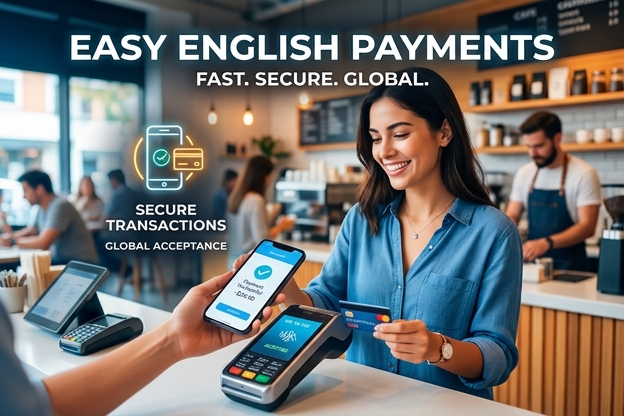
Many travel merchants focus so heavily on approval that they ignore conversion economics. That is expensive. If your audience is international, accepting only a narrow set of cards or forcing all buyers through the same authentication flow leaves money on the table.
A mature travel merchant account strategy should account for:
- Local currencies for major source markets
- Localized descriptors and customer support details
- Selective 3-D Secure usage based on transaction risk
- Retry logic for soft declines
- Alternative payment methods where card penetration is weaker
- Smart routing to improve authorization performance
For example, a domestic tour operator taking mostly U.S. debit and credit cards may need a very different setup from an inbound European booking platform selling to travelers across North America, Asia, and the Middle East. One size rarely works. Better routing and local acceptance can raise approval rates, but each extra payment option also adds operational complexity. Reconciliation, refunds, and dispute workflows must be planned from the start.
This is also where the right processor can influence revenue beyond pure risk management. If a provider helps you recover soft declines, reduce false positives, and localize checkout intelligently, your merchant account becomes a growth tool rather than a cost center.
How to Choose the Right Provider for Long-Term Growth
Travel founders often ask the wrong first question: “What rate can you give me?” A better question is: “Can you still support us if bookings triple, cancellation volume rises, and our source markets change?” The right provider is the one that can answer that with evidence.
Use this checklist when comparing options:
- Do they already board travel merchants similar to your model?
- Can they explain reserve logic in plain language?
- Do they offer fraud tools tuned for delayed fulfillment?
- How do they handle account reviews after performance improves?
- Can they support multi-entity or multi-region growth?
- What reporting will your finance team receive?
- How fast do they respond when a MID is flagged or volume shifts?
Online Casino Payment Gateway stands out when a merchant needs flexible underwriting logic and hands-on payment strategy instead of a one-size-fits-all onboarding flow. That does not mean every business will get the same terms, and it should not. Better providers price and structure based on actual risk, then revisit terms when the merchant proves stability.
The limitation to keep in mind is that even the best provider cannot erase the core realities of travel risk. If your policies are confusing, refund times are slow, or supplier failures are common, no payment partner can fully mask that. The processor can support, structure, and optimize; the merchant still has to operate cleanly.
Conclusion
A travel merchant account is not just a box to check so you can accept cards. It is a risk framework tied directly to cash flow, customer trust, approval rates, and your ability to scale. Travel businesses face more underwriting scrutiny because of advance bookings, higher ticket values, cancellations, and cross-border complexity. The brands that win are the ones that treat payments as part of operations, not an afterthought.
Online Casino Payment Gateway recommends these next actions for travel merchants that want stronger approval and steadier performance:
- Audit your checkout, cancellation policy, and statement descriptor before applying for any new account.
- Prepare six months of processing, refund, and chargeback data so underwriters can assess your business accurately.
- Choose a provider that can explain reserves, fraud controls, and review milestones in writing before onboarding.
References
- UN Tourism, World Tourism Barometer 2024: Provided context on global travel recovery and rising transaction volume across international tourism markets.
- Phocuswright research published in 2024: Helped frame the continued growth of online travel bookings and the importance of digital payment infrastructure.
- Mastercard Economics Institute, travel insights 2024: Offered perspective on travel demand patterns and the payment risk implications of shifting consumer behavior.
- Visa travel and payments guidance released in 2024: Reinforced the role of transparency, customer communication, and dispute reduction practices.
FAQ
What is a travel merchant account?
-
A travel merchant account is a payment processing account designed for businesses that sell travel services such as tours, hotel bookings, flights, cruises, and vacation packages. It is structured to handle delayed fulfillment, larger ticket sizes, refunds, and chargeback risk more effectively than a standard retail merchant account.
Why is a travel merchant account often considered high risk?
-
Travel businesses are often classified as high risk because customers usually pay well before the service is delivered. That creates more exposure to cancellations, supplier failures, refund disputes, and cardholder chargebacks. Cross-border bookings and higher average order values add another layer of underwriting concern.
How can I improve approval chances for a travel merchant account?
-
The strongest applications are transparent and well documented. You should prepare:
-
Recent processing statements and chargeback data
-
Clear refund, cancellation, and fulfillment policies
-
A clean website with visible contact information and booking terms
-
A simple explanation of your suppliers, markets, and average booking lead time
Does every travel merchant account require a rolling reserve?
-
No. Some travel merchants are approved without a reserve, while others receive rolling reserves, delayed settlement, or hybrid structures. The final setup depends on factors such as ticket size, refund history, lead time to travel, supplier risk, and chargeback performance.
What features matter most when choosing a travel payment provider?
-
Focus on fit, not just price. The most important features usually include:
-
Experience underwriting travel merchants
-
Strong fraud and chargeback tools
-
Multi-currency and cross-border support
-
Clear reserve terms and responsive risk support
Can Online Casino Payment Gateway support complex travel businesses?
-
Yes. Online Casino Payment Gateway is positioned for businesses that need more flexible underwriting, stronger risk controls, and payment structures suited to complex or higher-risk operating models. For travel merchants, that can be especially useful when standard processors are too rigid or too quick to decline.